
When love comes at a price: Understanding Economic Abuse
By Ray Basaula | HER Centre
If you’ve ever felt anxious asking for access to your own money, been kept in the dark about bills, or blamed for debt you didn’t create, you are not alone. You may be experiencing economic abuse.
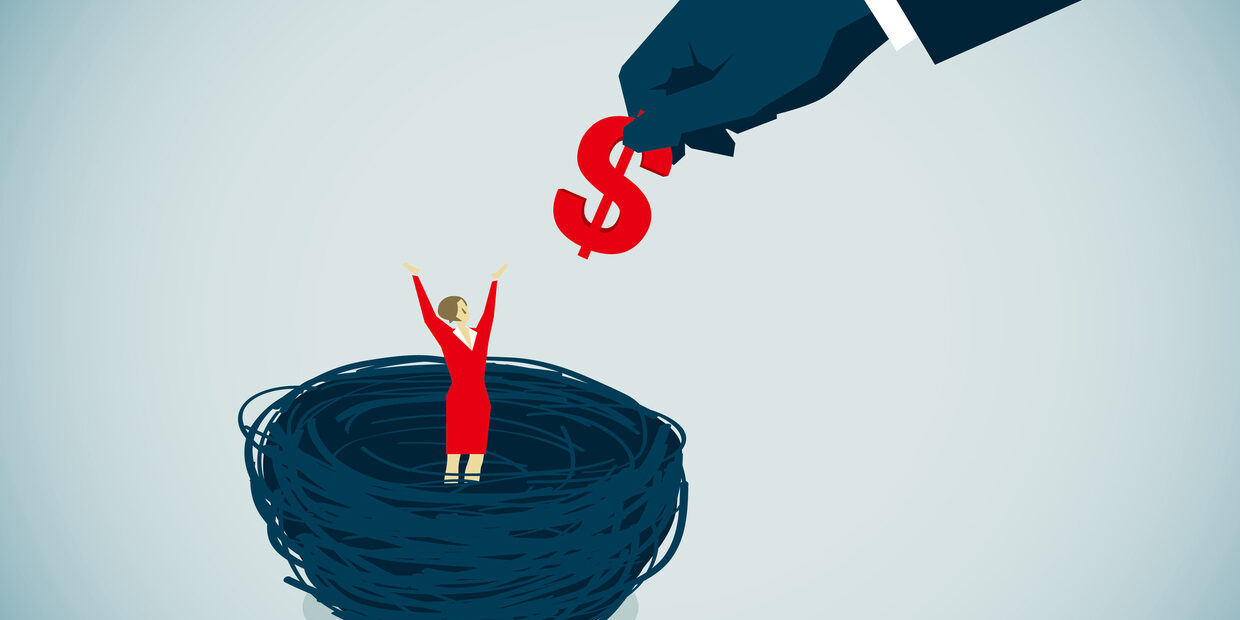
Economic abuse happens when someone controls your ability to earn, spend or save money. New research from Surviving Economic Abuse (SEA) found that 1 in 7 women in the UK experienced economic abuse by a current or former partner in the last 12 months.
A national survey conducted by Sheffield Hallam University and the University of Edinburgh also found that minority ethnic women in the UK are facing economic abuse at twice the rate of white women (29% vs 13%).
Economic abuse is about power and control, not budgeting disagreements. It can be subtle at first, but over time it can limit your choices, independence and safety.
Common signs
Economic abuse doesn’t always start with someone taking your bank card. It can begin quietly with ‘help’ that slowly becomes control. Often, it’s a pattern of behaviour that limits your freedom and keeps you dependent.
Some common signs include:
-
They take or control your money
For example, insisting your wages/benefits go into their account, taking your bank card, or controlling what you can access.
-
They make you ask them for money
You may be given an ‘allowance’ or made to explain/justify every purchase, even essentials.
-
They monitor or punish your spending
Checking receipts, banking apps, questioning every transaction, or making you feel guilty for buying basic items.
-
They hide financial information
Refusing to share details about bills, rent, debts, household income, or keeping you out of conversations about money.
-
They stop you from working, studying or progressing
Discouraging you from getting a job, sabotaging interviews, refusing childcare, or creating conflict before shifts so you can’t go.
-
They get loans, credit, or debt in your name
This might include pressuring you to take out credit, using your details without consent, or leaving you to deal with the consequences.
-
They control access to essentials
Withholding money for food, transport, phone credit, medication, or anything you need to feel safe and independent.
-
They use money to threaten, isolate or manipulate
This could include using phrases such as “If you leave, you’ll have nothing”, “this is my flat”, “I pay for everything so you owe me” or using financial support as a way to control your decisions.
Economic abuse can also continue after a relationship ends, for example: withholding money, refusing to cooperate with shared bills/tenancy, using child maintenance as leverage, or leaving debts behind.
The impact
Economic abuse can affect every part of someone’s life, not just their finances. When a person’s access to money is restricted or controlled, it can limit their choices, independence and sense of safety.
Many survivors describe feeling:
Trapped
Without access to money, it can be harder to pay for the basics for yourself. Whether that be transport, rent, childcare, food, or even a phone contract. This can make you feel like you have no control over your life which can make leaving feel impossible.
Afraid to leave
Financial control can create real fears about where you’ll go, how you’ll cope and whether you’ll be able to support yourself or your children on your own.
Dependent or isolated
When someone controls what you can spend, who you can see, or whether you can work or study, it can lead to isolation and increased dependence on the abuser.
Economic abuse can also have longer-term effects, including:
- Debt or damaged credit (especially if loans are taken out in your name)
- Reduced confidence and self-trust, after being made to feel ‘bad with money’
- Barriers to housing and employment, if finances have been disrupted
- Ongoing stress and anxiety, because money is tied to safety and stability
It is important to remember that none of this is your fault. Economic abuse is a deliberate form of control and you deserve support, safety and the chance to rebuild.
Reclaiming control
Everyone’s situation is different and your safety comes first. If it’s safe to do so, there are small, practical steps that can help you begin reclaiming control and specialist services can help you plan safely.
Small, practical steps (ONLY if it’s safe to do so)
- Keep a private record of what’s happening
This might include screenshots of messages, notes of incidents, or copies of bills and bank statements. Only do this if it won’t increase risk to your safety.
- Start gathering important documents
For example: ID, passport, bank details, tenancy documents, benefit letter, payslips, children’s documents, and debt/credit paperwork. Keeping copies can be helpful.
- Open a private email address (and consider a separate account if safe)
A private email can help you receive support information safely. If safe and appropriate, a separate bank account can be a step toward financial independence.
- Check your credit score
If you’re worried about loans or credit in your name, checking your credit report on sites like Clearscore or Experian can help you spot unfamiliar accounts or addresses
- Build a small ‘safety buffer’ where possible
Even small steps (keeping a little cash, a spare travel card, or essential items in a safe place) can help you feel more prepared.
- Tell someone you trust
Isolation can make economic abuse feel impossible to navigate. If you can, confide in a trusted friend, family member or professional.
How Her Centre can support
At Her Centre, we offer a free One-Stop-Shop service for women who are experiencing abuse. This service provides a confidential space to speak with an Independent Domestic Violence Advocate (IDVA) and a family solicitor, so you can explore your options and get practical support.
An IDVA can support you to understand what you’re experiencing, talk through your safety, and help you access specialist services. Our family solicitor can provide information and guidance on legal and family matters, including divorce, children and parenting arrangements, and financial concerns.
You can find our One-Stop-Shop locations, days and times below. These sessions are open to everyone, no booking or registration needed. Simply drop in during the times listed.
- Clockhouse Community Centre, Friday at 10am – 2pm
- Eltham St. Mary’s Community Centre, Wednesday at 10am – 2pm
- Thamesmead Moorings Social Club, Wednesday at 10am – 2pm
If you’re experiencing economic abuse, we can help you think through safe, practical next steps including signposting to specialist debt, benefits and legal support.
If accessing support may put you at risk, we can help you plan a safer way to get in touch. To find out more, contact us on 020 3260 7772 or email info@hercentre.org