
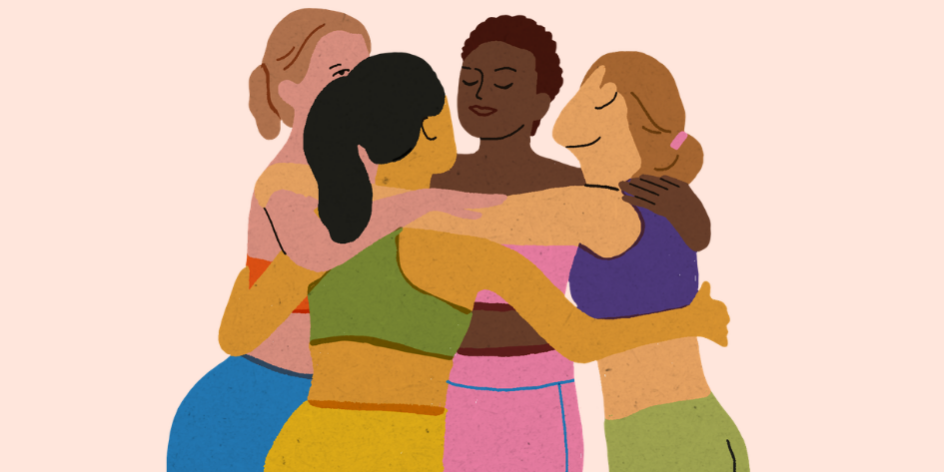
What do when someone you love is experiencing abuse: a guide for friends and family
By Rebecca Tregaskis | HER Centre
If you are at immediate risk call 999
It can be a very daunting and scary experience when you suspect or know someone is experiencing abuse. While it is down to the person within an abusive relationship to make the choice to leave, there are a number of emotional and practical ways to support someone. Domestic abuse is a complex and emotional topic which can be difficult to navigate however it can be made easier by learning what domestic abuse is, how to spot the signs and the best approach to take when you are concerned for someone. The support you can give someone may provide them with enough confidence to be able to leave.
What is domestic abuse?
Domestic abuse is defined as a single or multiple incidents that consist of violent, controlling, threatening, or degrading behaviour. While domestic abuse is usually carried out by a partner or an ex-partner, family members or carers may also carry out abuse. Domestic abuse is not just physical abuse, it can also include coercive control, digital or online abuse, economic abuse, or emotional abuse.
Anyone can experience domestic abuse. However, the majority of domestic abuse is experienced by women from men. It is also possible for someone to be unaware they are being abused.
Signs to look out for
There are multiple signs of domestic abuse, however, sometimes they can be hard to spot as there are many different reasons for certain behaviours. It is important not to jump to conclusions; instead, open up a conversation with the person you are concerned about.
It is also important to not be upset with yourself if you feel like you ‘missed’ the signs. Abusers will purposely try to hide their abuse from friends and family and sometimes the person being abused will also try and hide the abuse for a variety of reasons. However, learning the signs can be vital in spotting abuse and opening up support for someone.
Signs of physical abuse can include
- Frequent injuries, for example bruises or cuts.
- These injuries may also be accompanied with weak or inconsistent reasons for an individual.
- Obvious signs of hiding injuries, for example wearing long sleeves in hot weather.
- Physical injuries may not be shown but can be detected if someone winces in pain or sits or stands in a particular way like they are trying to avoid putting pressure on a certain area of their body because it would hurt.
Emotional signs of abuse include
- Someone appearing anxious.
- Someone is frequently tired.
- Someone may develop a drug or alcohol dependency.
- Loss of interest in activities.
- Low self-esteem or confidence.
- Symptoms of depression.
Behavioural signs of abuse can include
- Becoming withdrawn.
- Appearing isolated.
- Someone may become secretive.
- May appear fearful in the presence of a partner or family member.
Signs of coercive control
- Asking for permission from a partner or family member.
- Someone may receive an excessive amount of calls or texts.
- They may appear not to have access to their money.
- Needing to be home by a specific time.
- Seeming to not have independent control of their life.
Providing emotional support
If you do see these signs and suspect abuse it can be a very challenging topic to address. The most important part of support is showing kindness, empathy and understanding. This is important even if you do not agree with their choices or what they are saying, for example, defending the actions of their abusers.
It can be difficult to open up a conversation about someone’s relationship, so it may be easier to just ask how things are going in their relationship and how they feel. It should be done where someone can feel safe, for example, away from the abuser. You may also mention certain behaviours of the person or the abuser that you have noticed.
This could include:
- “I’ve noticed we haven’t seen as much of you recently, is everything okay?”
- “I’ve noticed they send you a lot of messages and calls, are you okay with that?”
- “I’m worried about you; you’ve appeared upset lately”
Some people may not be open to talking about their abuse and that’s a decision to be respected. The best you can do is tell them that you are always open to talk and can offer support. However, if you are worried that someone’s in immediate danger, you can call 999.
If someone is ready to disclose the abuse in their relationship, it is important to listen and verbalise that you believe them. Keep a supportive attitude and reassure them that it is not their fault and that they do not deserve any abuse they have faced. While you cannot force someone to get help, it can be valuable to encourage support and let them know that there are available support systems. For example, charities that work with people who want to leave a domestically abusive situation.
Often the most important part of someone reaching out for help is the reassurance they are believed and will be met with kindness and compassion. If someone feels listened to by a friend or family member, it may give them the confidence to seek further help and leave the relationship. It will also make an individual feel less isolated.
Offering emotional support to someone can make the difference between staying or leaving a domestic situation. Remember, it may take time for someone to make the decision to leave and it may feel frustrating, but it is important to reassure the individual that you are there for them.
Offering practical support
You may also be able to offer practical support such as:
- Offering to go to appointments with the person, this can include support services or healthcare services. Healthcare services can help someone with their injuries. Support services can provide professional support for someone, including risk assessments and safety planning.
- Contacting support organisations or helplines on their behalf.
- Letting them stay at your home or helping them find a safe place of accommodation.
- Letting them use your phone or computer to have access to support without making an abuser aware. This can significantly increase someone’s likelihood of receiving help. Knowing someone is by their side can be extremely encouraging.
While support services will provide expert advice and create safety plans, there are tips that you can share that can help in an emergency:
- Encourage them to pack an emergency bag and keep it hidden. It should include items such as passports, birth certificates, medications, clothes, spare keys to their home or car, money, and children’s toys if there are children in the house.
- Help work out a plan for leaving which may include who to call, a safe place to go and how to get there. Having a plan can help in emergency situations.
- Have a code word between you and the person at risk. This will enable them to signal if they are in danger and need help. In situations where you are concerned for their immediate safety, call 999.
While it may be hard, do not confront or provoke the abuser or put yourself in harm’s way. It is very important to look after your own safety.
Remember, you cannot force someone to accept help and you can only help them when they are ready. Helping someone through domestic abuse can change someone’s life and your support is extremely valuable.
Ways to help yourself
Providing support for someone in a domestically abusive situation can make all the difference to someone. However, it is important to understand that supporting someone can cause emotional distress for yourself. To support your wellbeing:
- Talk about how you are feeling with a trusted person in an environment that feels safe for you. This can include a close friend, family, or a counsellor.
- Take ‘time-outs’ from the situation when it becomes too overwhelming. Making sure you stay in touch with people and activities you love will help your wellbeing and can give you a well needed rest.
- Keeping on top of general health can be valuable. Making sure you have a good sleep routine and eating regularly can help with stress and anxiety. Keeping your body healthy will improve your emotional wellbeing.
Remember, you are allowed to seek help for yourself and be in safe environments where you can express your emotions.
The Her Centre can offer support for you or your loved ones. For more information on our services, please contact us on 020 3260 7772 or info@hercentre.org